What Separates a Luxury Perfume Brand from the Rest
Luxury in perfumery is not a price point — it's a set of measurable commitments. High end perfume brands typically source naturals at a quality tier that simply doesn't exist in mass-market production: Bulgarian rose absolute harvested within a specific three-week window, aged Haitian vetiver, genuine Indian oud rather than its synthetic approximation. The concentration of these materials in the formula drives both the cost and the character of a fragrance. A serious luxury house will use a higher ratio of costly ingredients without diluting the formula to protect margin.
Craftsmanship matters equally. A luxury perfumer — often called a nose — may spend two to four years refining a single composition, testing hundreds of accords before arriving at something they consider finished. That timeline is incompatible with trend-driven commercial production cycles. The result is a fragrance that has depth, evolution, and what experienced wearers describe as sillage — a presence that lingers in a room after you've left it.
CA Perfume takes this commitment seriously. Every fragrance in the collection is verified by the HumanSafe™ Framework, an independent third-party platform that assesses each scent against its Mood Architecture™ system. This means that beyond ingredient quality, each fragrance is evaluated for its Mood Elevation Index™ (MEI™) score — a data-backed measure of emotional impact potential. Luxury, in other words, isn't only about what's in the bottle; it's about what the scent does to the person wearing it.
“
Luxury isn't only about what's in the bottle; it's about what the scent does to the person wearing it.
The Most Prestigious Luxury Perfume Brands in the World
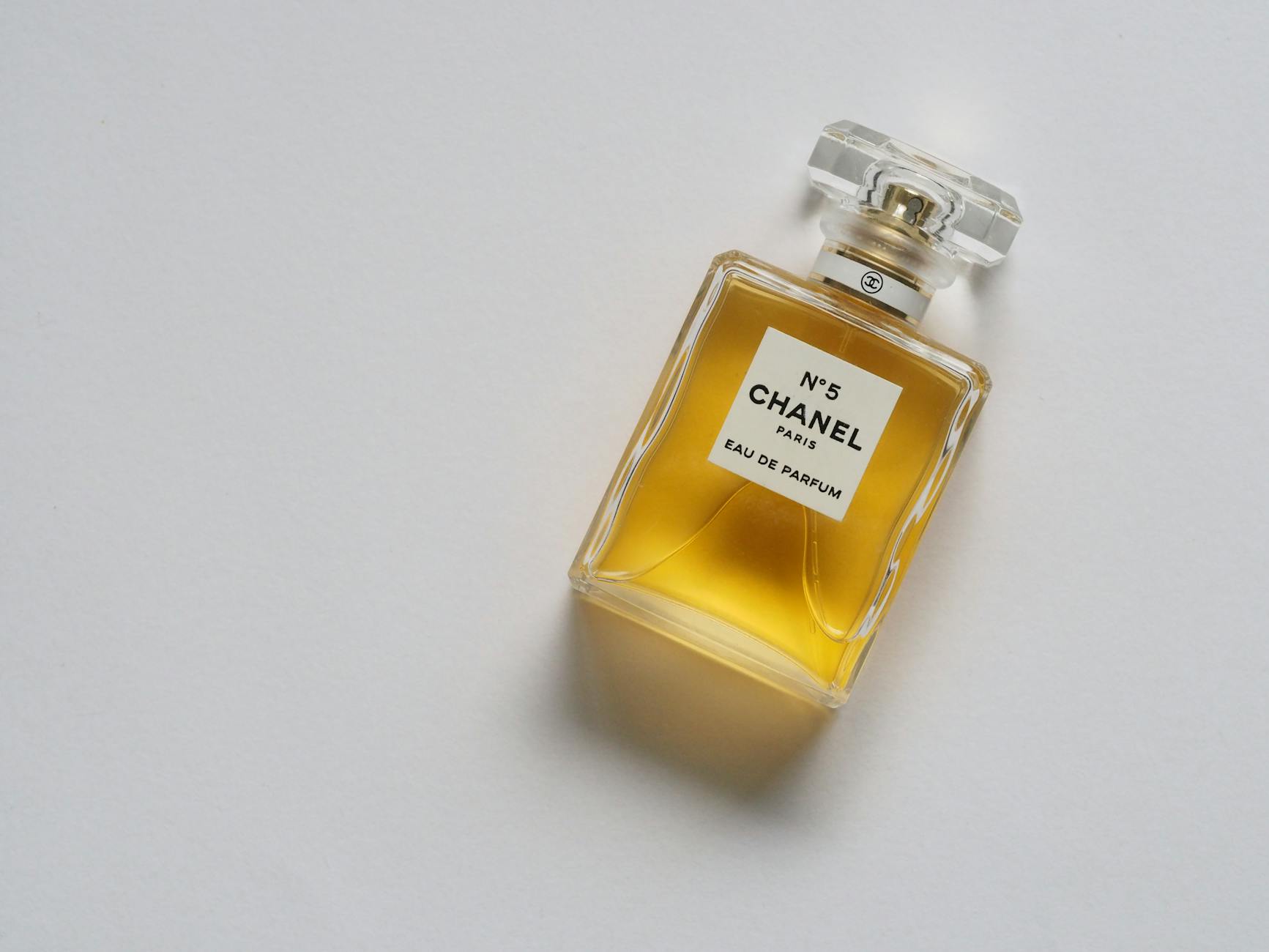
Any honest conversation about the most prestigious luxury perfume brands has to begin with the Parisian heritage houses. Guerlain, founded in 1828, produced Shalimar in 1925 — a fragrance that remains a reference point for oriental compositions nearly a century later. Chanel No. 5, created by Ernest Beaux in 1921, redefined what a floral could be by introducing aldehydes at a scale nobody had attempted before. These are not just famous names; they are technical benchmarks. Their longevity is a function of genuine innovation, not marketing spend.
Beyond Paris, a second tier of prestigious houses deserves serious attention. Creed, founded in London in 1760 and now producing from France, built its reputation on bespoke commissions for European royalty before opening to the broader market. Acqua di Parma, established in 1916 in Parma, Italy, defined the concept of citrus elegance in a way that still influences modern eau de cologne construction. Penhaligon's, another British house, holds Royal Warrants and maintains an archive of Victorian-era formulas that inform its contemporary releases.
For buyers drawn to the eastern tradition, Amouage from Oman deserves particular mention. Its use of frankincense, Omani rose, and aged woods produces compositions with some of the highest MEI™ scores documented in the HumanSafe™ Framework's ingredient transparency database — particularly in the grounding, introspective mood category. These are fragrances that reward slow wearing and quiet attention.
Worth exploring across all of these: what makes a fragrance last longer — because even the finest composition performs differently depending on skin chemistry, application method, and concentration.
Niche vs. Designer: Which Luxury Perfume Brand Is Right for You
This is the question serious buyers ask most often, and the honest answer is that it depends on what you want your fragrance to do. Designer houses — Chanel, Dior, Tom Ford, Hermès — operate at scale. Their luxury tier, such as Chanel's Les Exclusifs or Dior's La Collection Privée, represents genuine craftsmanship at a competitive price relative to pure niche production. These are reliable entry points into fine perfumery, and their quality control is impeccable.
Top niche perfume brands — Byredo, Diptyque, Maison Francis Kurkdjian, Le Labo, Serge Lutens — operate differently. Their distribution is intentionally limited, their formulas are less concerned with broad wearability, and their creative briefs are often more personal or abstract. Byredo's Gypsy Water was built around a memory of a Romani encampment. Le Labo's Santal 33 became so ubiquitous in Brooklyn coffee shops that it achieved a kind of anti-luxury status — proof that niche can become mainstream when the composition is genuinely compelling.
The meaningful distinction is not prestige but specificity. Designer luxury is often designed to be universally flattering. Niche luxury is designed to be specific — to find its wearer rather than appeal to everyone. Neither is superior. Both have high MEI™ potential when the composition is executed well, but niche fragrances tend to score higher in the individuation and emotional distinctiveness categories within HumanSafe's Mood Architecture™ assessment.
If you're still working out where your preferences land, the guide on how to find your signature scent offers a structured approach to narrowing the field.
How to Choose a Luxury Perfume Brand That Matches Your Style
Start with occasion rather than brand. A fragrance built for a specific context — a boardroom, a candlelit dinner, an early morning run — will always outperform a fragrance chosen for its label. Once you know the context, you can work backward to the house whose aesthetic aligns with what that context demands.
1
Lead with occasion, not brand. Identify the context — boardroom, candlelit dinner, early morning — before choosing a house. The right setting narrows your options faster than any label will.
2
Choose your concentration deliberately. Eau de Parfum (EDP) formulations typically offer greater depth and longevity than Eau de Toilette (EDT) — a meaningful factor when investing in a luxury piece. The full breakdown is in the guide on understanding fragrance concentration.
3
Evaluate the drydown, not just the opening. A fragrance's top notes fade within twenty to forty minutes. Luxury fragrances distinguish themselves most clearly in their base notes — woods, musks, resins, and ambers — that settle on skin and constitute what people actually smell on you hours later.
4
Shop with patience. Request samples before committing to a full bottle. Wear a fragrance for a full day, not just at the counter. Skin chemistry transforms every composition, and the fragrance that smells extraordinary in the bottle may not perform the same way on your skin — and vice versa.